

ROME – Pino Donaggio, who turns 85 at the end of this month, has clocked up 67 years in music and 53 in cinema.
He has now joined forces with first-time director Andrea Corsini on Ferine, a psychological horror film about the transformation of an art collector who, after being traumatised by a tragedy, rediscovers her animalistic, predatory nature.
The film’s score won an award at the Fantasia Film Festival in Montreal.
How did Corsini persuade you to get involved?
“He sent me the short film of the same name to watch at home. I found it interesting. It struck me that he could be a new Dario Argento, in the way he had shot it and the personality that came through. It wasn’t a splatter film, but one with real substance. I love working with young filmmakers, both in America and here in Italy.”
How did you first get into composing music for films?
“I was coming home from an evening out. I was still singing at the time, and I was on a vaporetto travelling along the Grand Canal. I bumped into Ugo Mariotti, associate producer of A Venezia… un dicembre rosso shocking (Don’t Look Now), who took it into his head that I should write the score.
He later told me that seeing me there, alone on the Grand Canal, had seemed like a sign.
“I recorded the demos inside the conservatoire, and the material went down well. I won an award in London and thought: this could be my new career, something I could carry on doing into old age.”
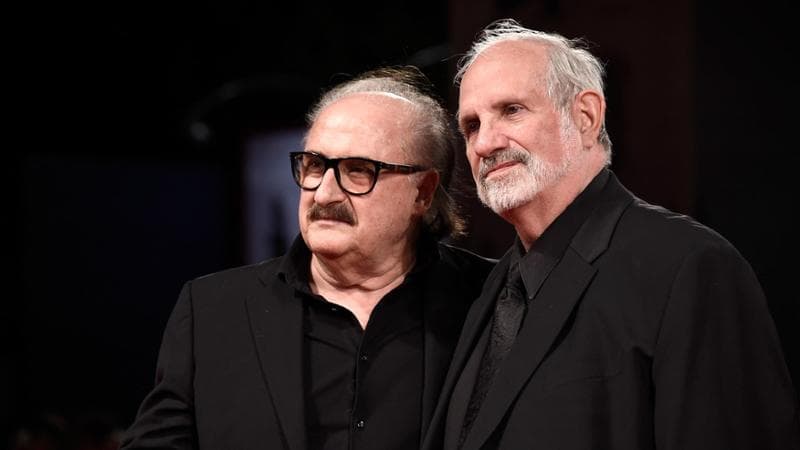
Three years later came Brian De Palma.
“He was looking for a composer for Carrie, because Bernard Herrmann had died after Taxi Driver. A friend of his had bought my record in London and played it to him. He heard similarities with Herrmann in the way I used strings. He called me over to America.”
How did you work together?
“I would arrive once the film was finished. We would decide on the atmosphere and the points where the murders took place. Then I would go back to Venice and write in my studio. He wouldn’t hear the music until the recording session, with the orchestra. There was a lot of trust between us, but I didn’t sleep the night before the recording of Carrie.”
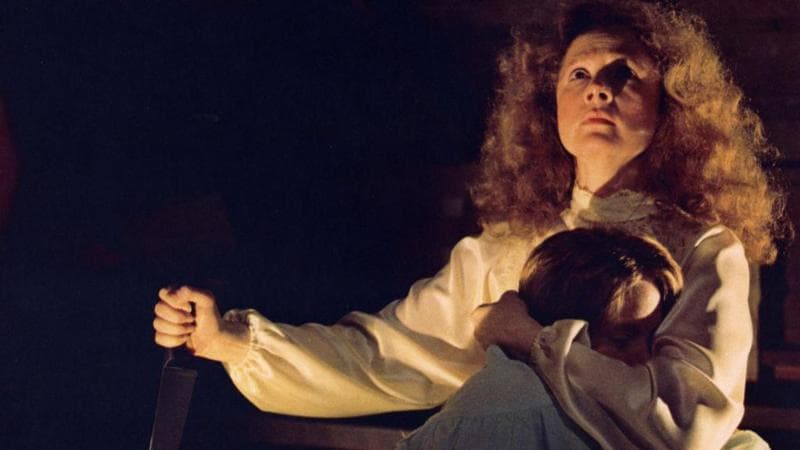
How did it go?
“When we reached the musical passage accompanying the sequence that builds up to the blood falling on Carrie, he started applauding, and the producer and technicians joined in. He said he had watched that scene countless times, but with my music it felt as though he were seeing it for the first time.”
You even managed to scare George Lucas.
“Brian had invited him to a screening of the film. During the final scene, instead of watching the screen, I was watching him. I saw him jump in his seat. When the lights came on, he turned to Brian and gave him a little grin, as if to say: ‘You got me!’ I thought: if he jumps, the whole audience will jump.”
Of your work in Italian cinema, which experience do you remember most fondly?
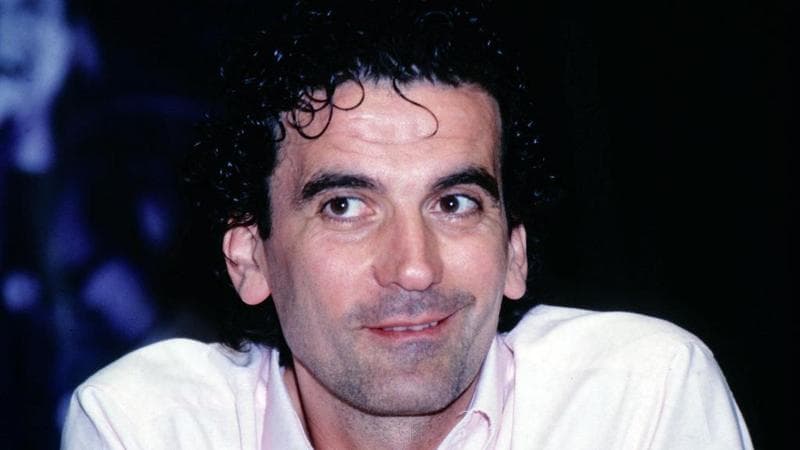
“Non ci resta che piangere (Nothing left to do but cry), with Massimo Troisi and Roberto Benigni, was the most fun. They hadn’t given me so much as a hint about the music, and in the end they were delighted with it. In Italy, many people don’t take me particularly seriously as a composer because I’m the singer of Io che non vivo. Here, I’m still seen as the singer, even though I’ve worked on around 250 films and television productions. Benigni and I had talked about making a sequel, but then, sadly, Troisi died, and they were left there, back in the 15th century.”
Did you enjoy working with Tinto Brass?
“Tinto is Venetian. We used to say to each other: let’s make a film together. On Così fan tutte (All ladies do it), I had fun experimenting with drums and guitar alongside the strings. Then, for Tra(sgre)dire (Cheeky), he asked me to write a reggae track without telling me what scene it was for. When I finally saw the film, I put my hands over my head: it was a very explicit pornographic scene. I told him: ‘I’m not doing any more music for you, because you keep pushing things further and further.’ And I stopped. He got Morricone to do the next film.”
What about Dario Argento?
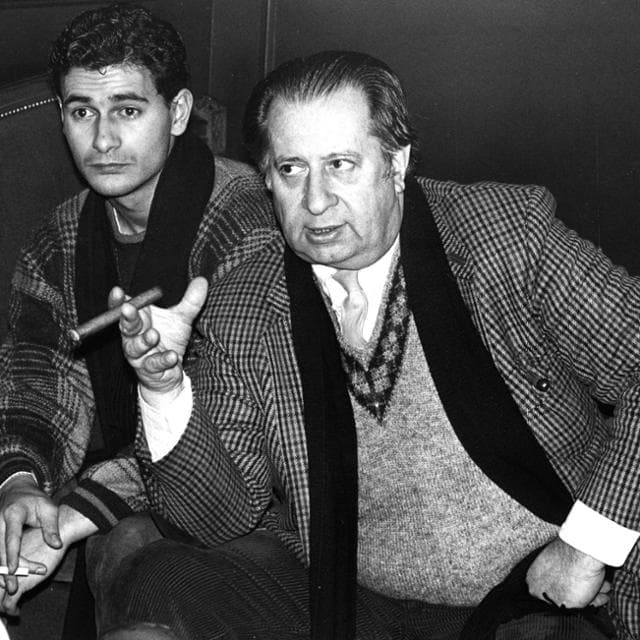
“He called me for Due occhi diabolici (Two Evil Eyes), which featured one episode directed by him and another by Romero. I never met Romero and simply followed the instructions he gave me. Sometimes directors disappear and tell you: ‘You’re on your own, sort it out.’ Some people work that way – I won’t mention any names.”
What’s the difference between Dario Argento and Brian De Palma?
“Brian follows a consistent line throughout the score. Dario can jump from one genre to another, using very different and very powerful things. He works in abstract colours. Like a painting in which vivid red, black and grey suddenly emerge.”
Will you be making your ninth film with De Palma?
“Sweet Vengeance. He asked me: ‘Are you ready for February?’ With him, you first have to see the finished film. It’s always so much more than what you read in the treatment.”
Have there ever been tense moments?
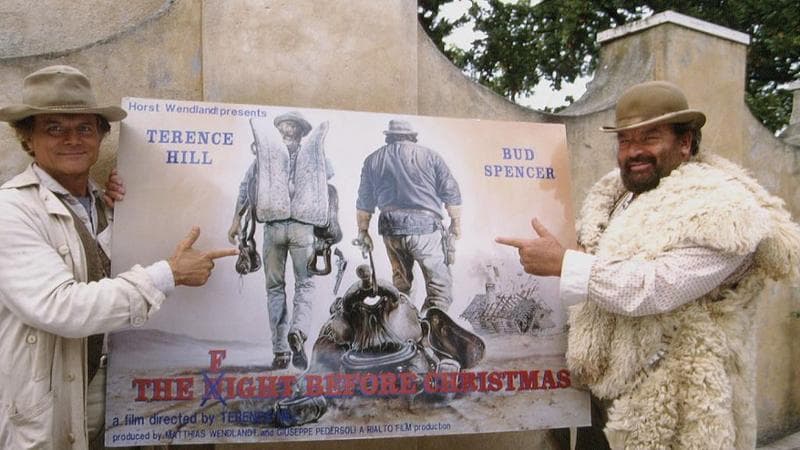
“Once, during the sound mix for Botte di Natale (Troublemakers), starring Terence Hill, we spent 40 minutes deciding whether a rooster’s crow should come out of the left or right speaker. Then my piece came on and they said: ‘The music doesn’t work here.’
“I got angry: ‘We’ve spent 40 minutes deciding where to put the rooster, and you’re just going to cut the music like that?’ I went back to Venice. Terence called me: ‘Pino, we’ve got the music in now, we got rid of the sound effects.’”
Yours is a family of musicians.
“Everyone played an instrument: my father, my grandfather, my uncles. My father had never had the chance to study music, so he wanted me to do it. I chose the violin, just like him.
At the Milan Conservatory, I was only in my eighth year of study, yet I was already playing with Claudio Abbado in the Solisti di Milano ensemble, where everyone else was a fully qualified musician.”
How did you come to write songs?
“During the journeys between Venice and Milan, melodies would come into my head. I went to Curci because I knew Modugno was there. I played them two songs and they offered me a contract. My father understood, but my violin teacher took it badly: he no longer wanted me in his violin class.”
What about Mina?
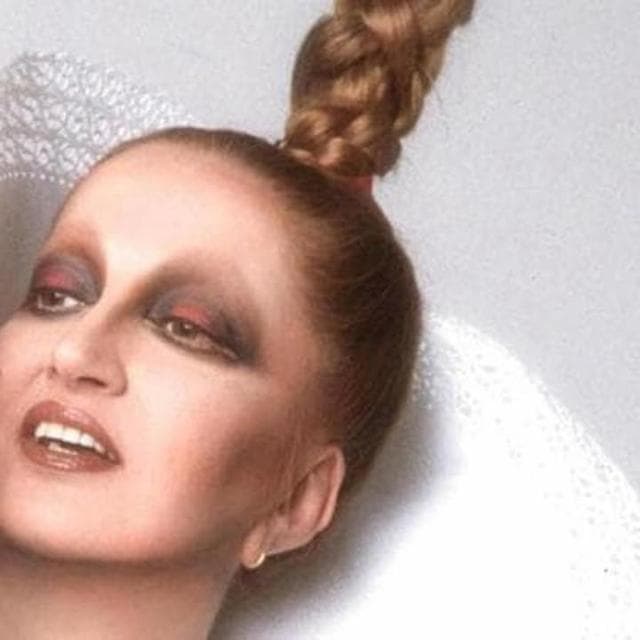
“If she had sung Come sinfonia, I would never have become a singer. But she already had two songs, Io amo tu ami and Le mille bolle blu, and couldn’t do mine as well. She insisted: ‘Let the songwriter sing it.’ And that’s how I found myself at the Sanremo Festival.”
What was your greatest fear?
“At one point, I couldn’t remember the lyrics. Then they came back to me. I walked off the stage and my mother and father were there. I was just a 19-year-old boy. My mother said: ‘You were wonderful.’ I’ve carried those words with me ever since. Even today, they bring tears to my eyes.”
Elvis Presley recorded a cover of your song Io che non vivo.
“I was home alone. The phone rang, and my record company told me the news. When I was starting out, I used to imitate him and sing rock ‘n’ roll. I didn’t know any English, so I would play his records at a slower speed to copy the words. It was an incredible thrill. The song has since been recorded by so many artists – there have been 460 cover versions – but my favourite is still Elvis’s.”
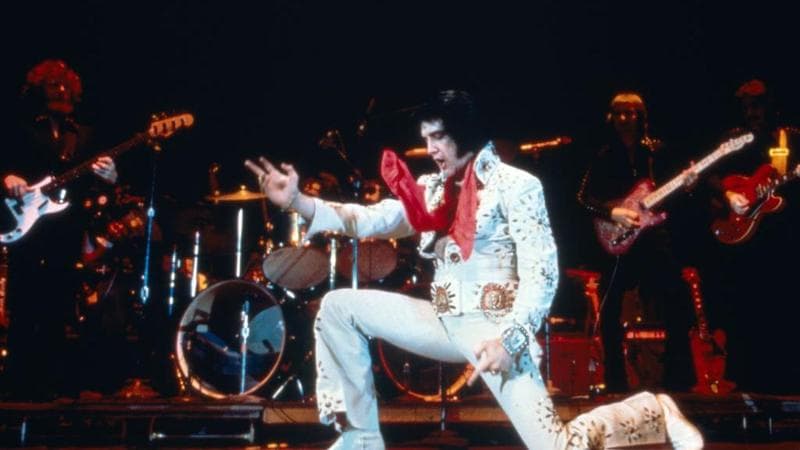
The English-language cover of Pino Donaggio’s song is titled “You Don’t Have to Say You Love Me” and is part of the documentary’s soundtrack (and of the album of the same name).
Did you ever miss singing?
“No, I was already tired of it. I wasn’t born to be a singer. I dreamed of becoming a concert violinist and travelling the world with my instrument. That’s my only regret.”
What did your wife think of your fame?
“Once she came with me to the recording studio. There were girls there trying to rip my shirt off, and she never came back. We’ve been married for 60 years. In Venice, we’re not caught up in the gossip. We have our own life, our children and grandchildren. I write in the mornings. If I’m not working on film music, I’m writing concert pieces. I’ve composed one for strings and another for guitar and strings, both performed at La Fenice. I have to write. I live for music.”
If you could go back and relive one day of your life, which would it be?
“The day I got married. I was young, carefree and successful.”
This article was reviewed by an external translation partner